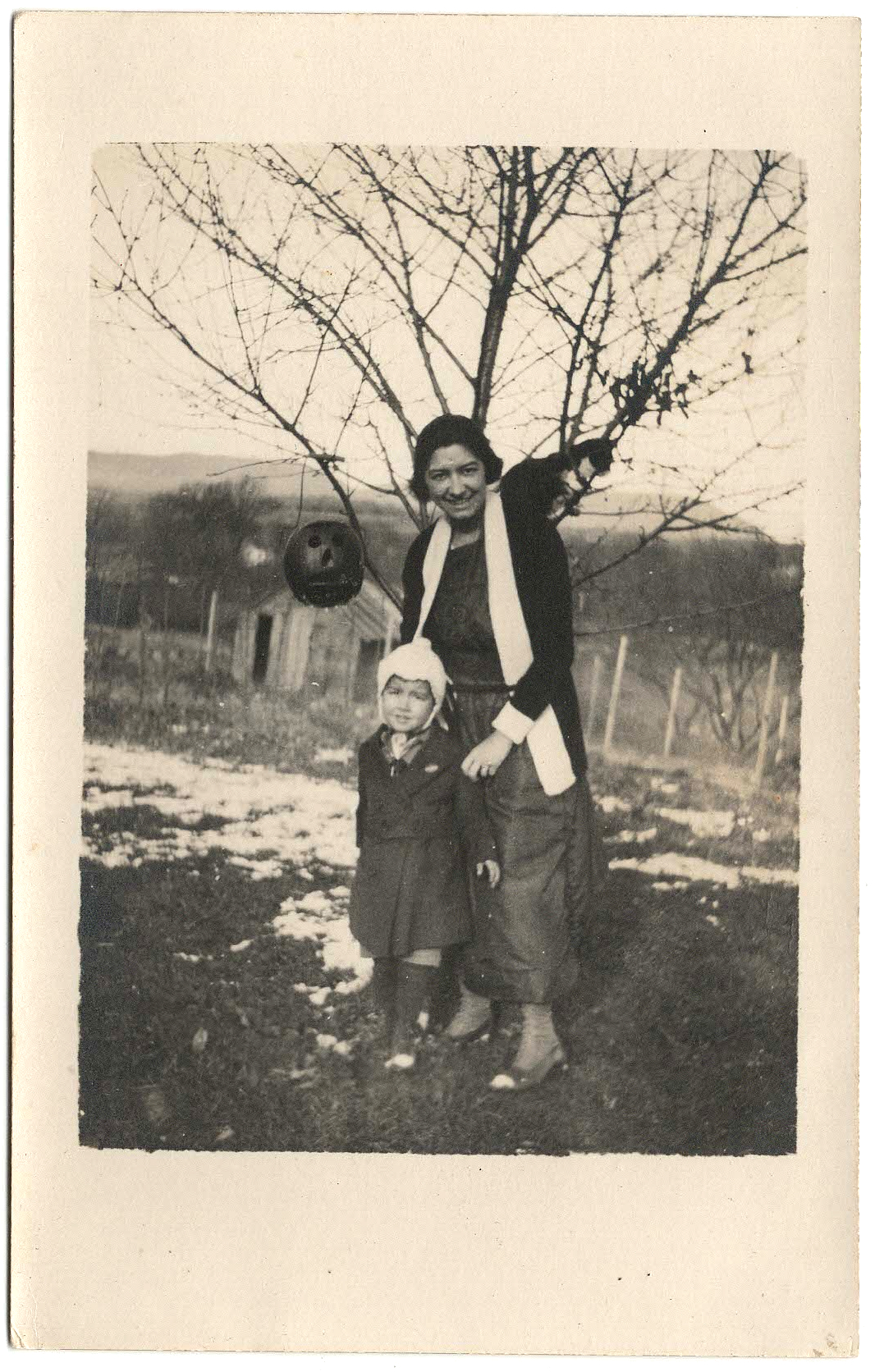
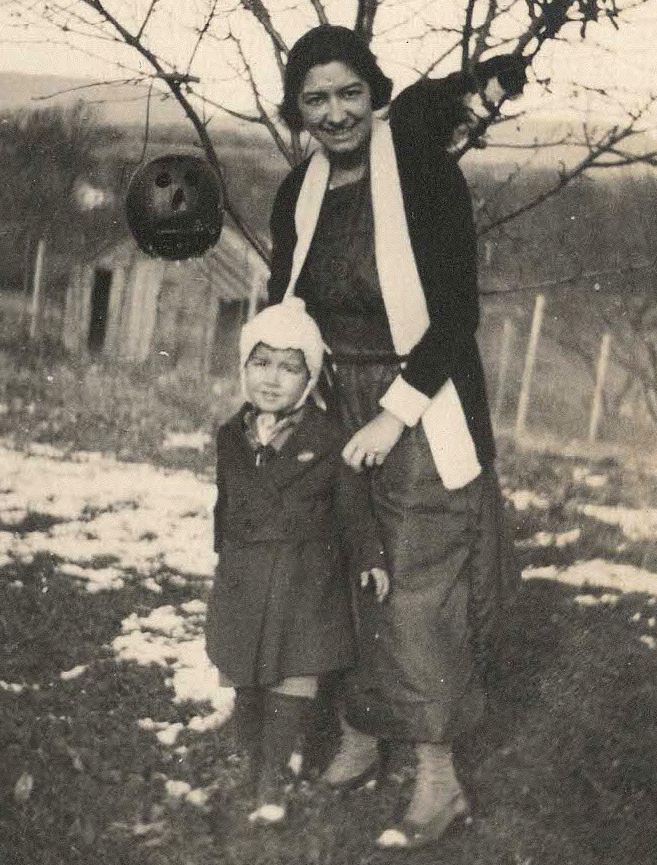
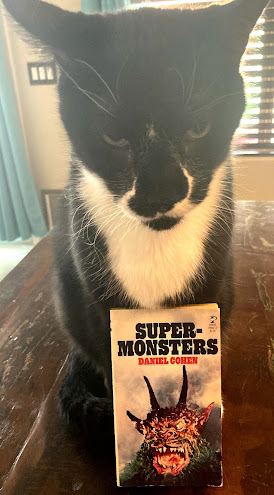
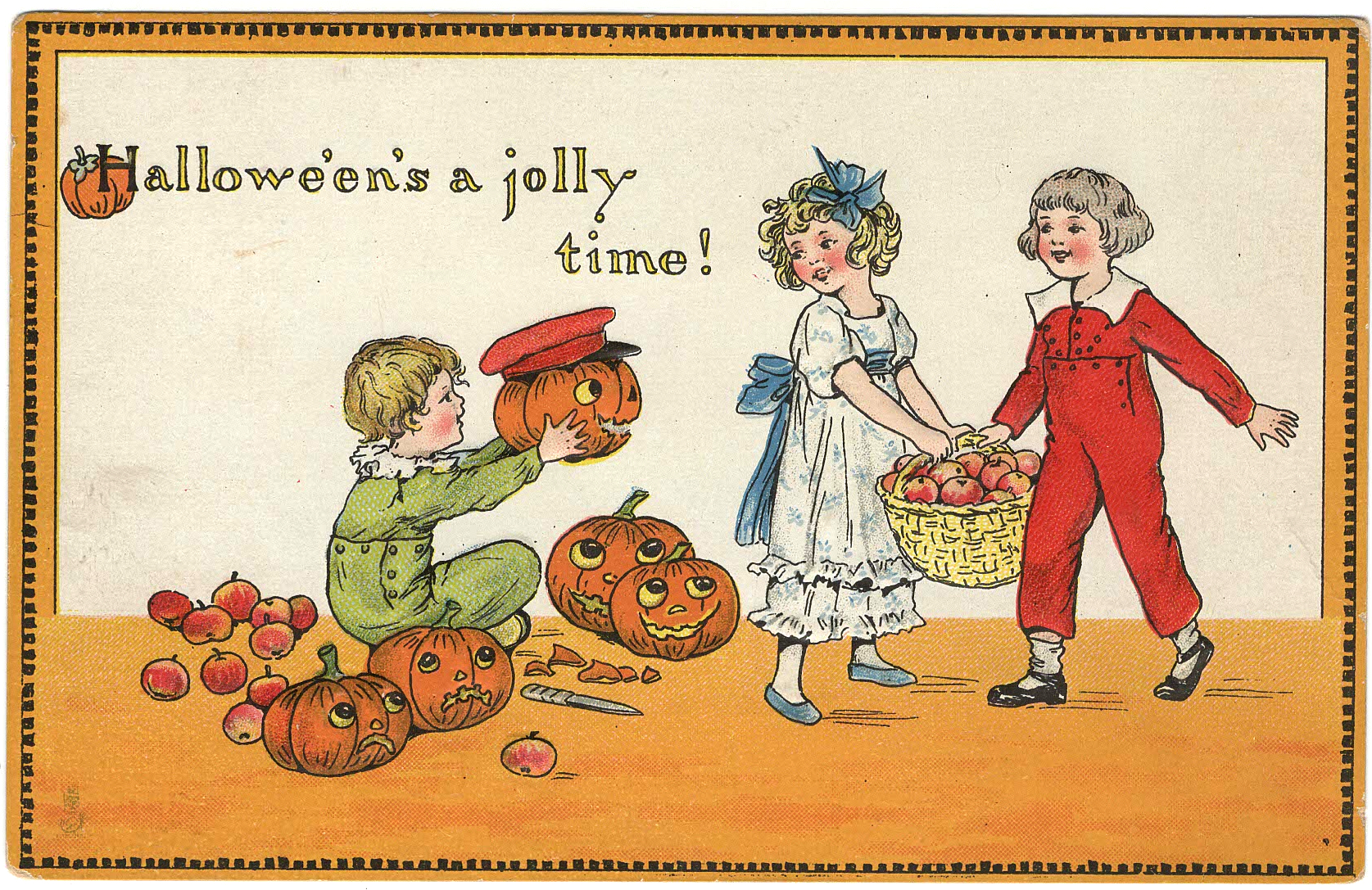
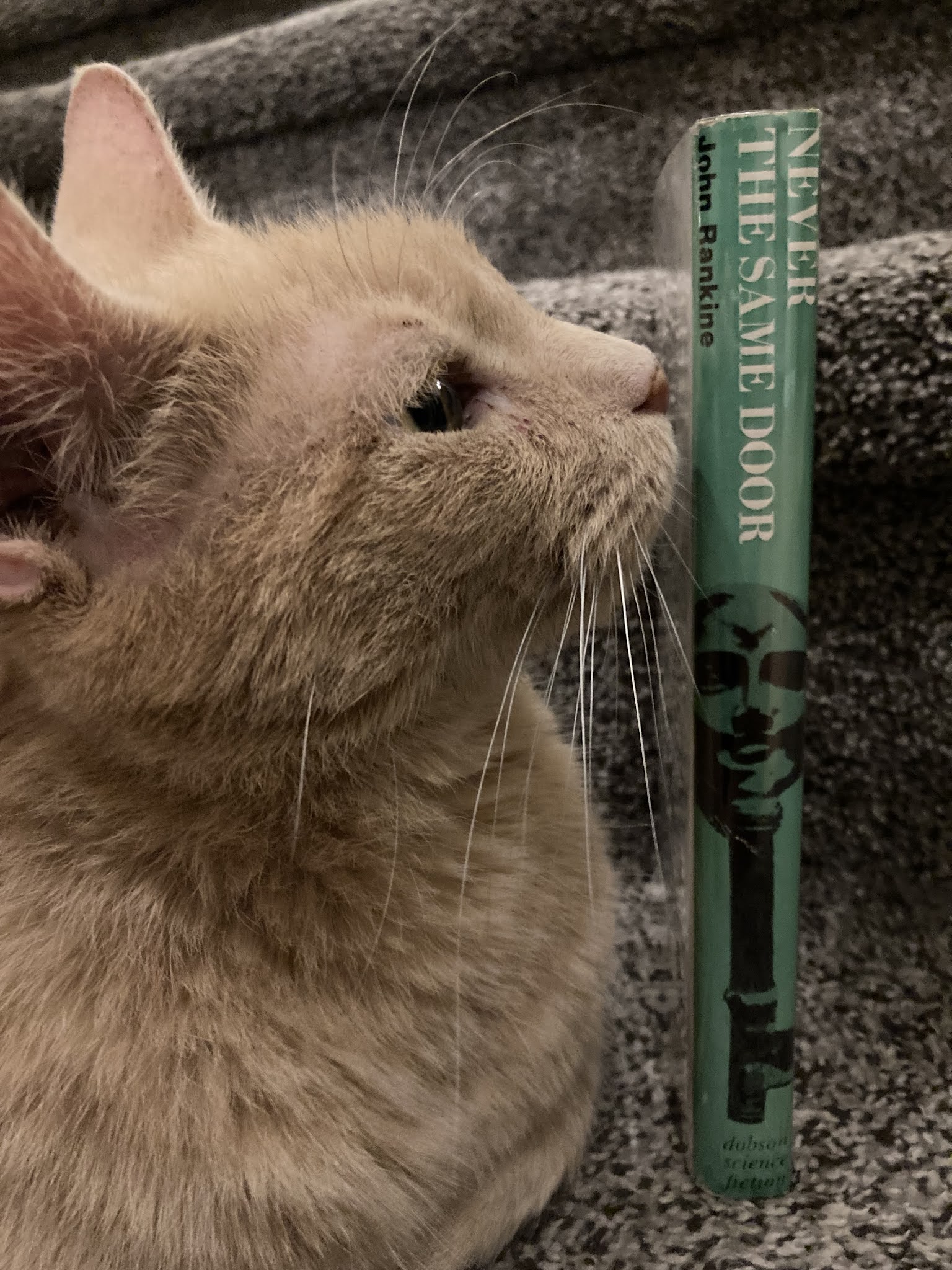
This was taken Election Day with the pumpkin from Halloween. How do you like the cat?
Saturday, October 16, 2021
Saturday's postcard: RPPC with family, jack-o'-lantern and cat
Friday, October 15, 2021
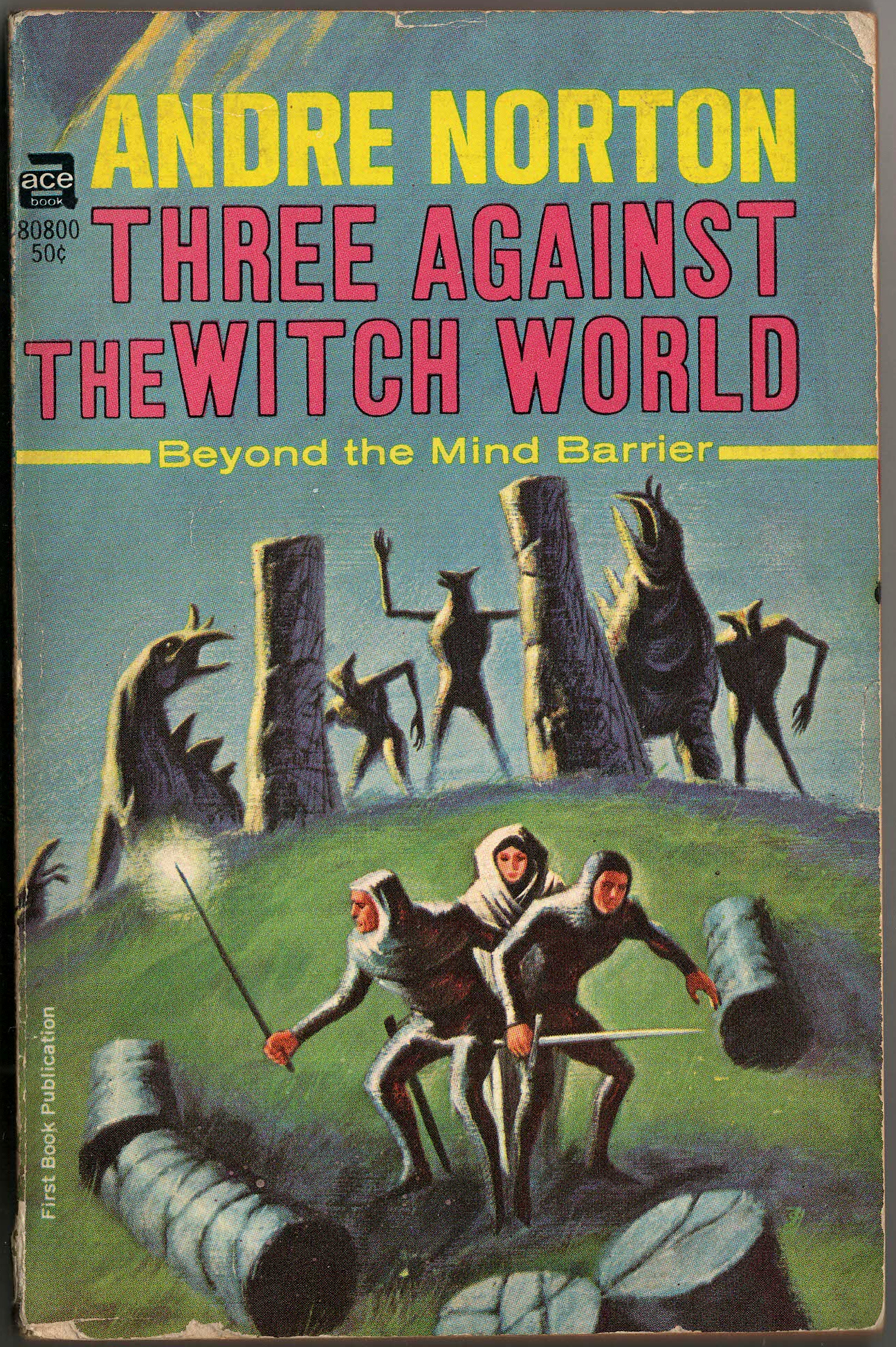
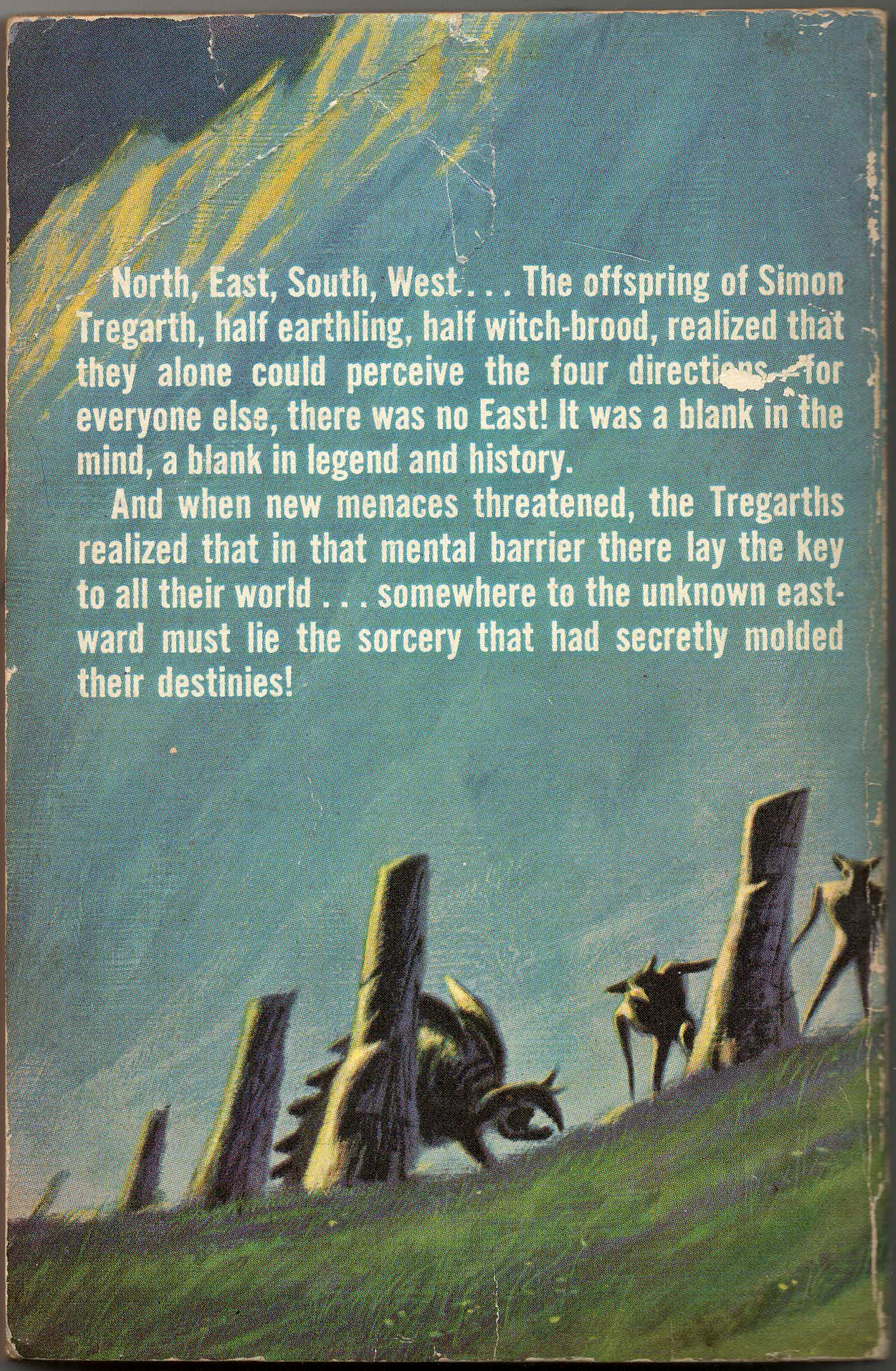
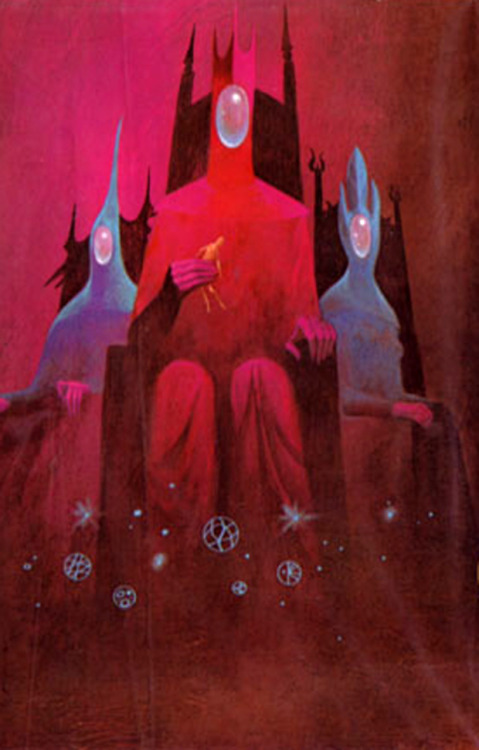
Jack Gaughan covers for "Three Against the Witch World"
"Jack Gaughan is barely remembered today. Like many other fantasy artists of the '60s and '70s, Gaughan's art didn't make it past the Great Divide of 1980. Around that date, art directors started demanding more 'photo-realistic' art. ... The best of Jack Gaughan's work has power and dynamism to burn. Some of his compositions — the placement of elements within the picture — can stand up to many artists considered far better nowadays. Also, Jack was utterly unafraid of using a bold palette of colors to make his paintings leap out at the viewer."
Thursday, October 14, 2021
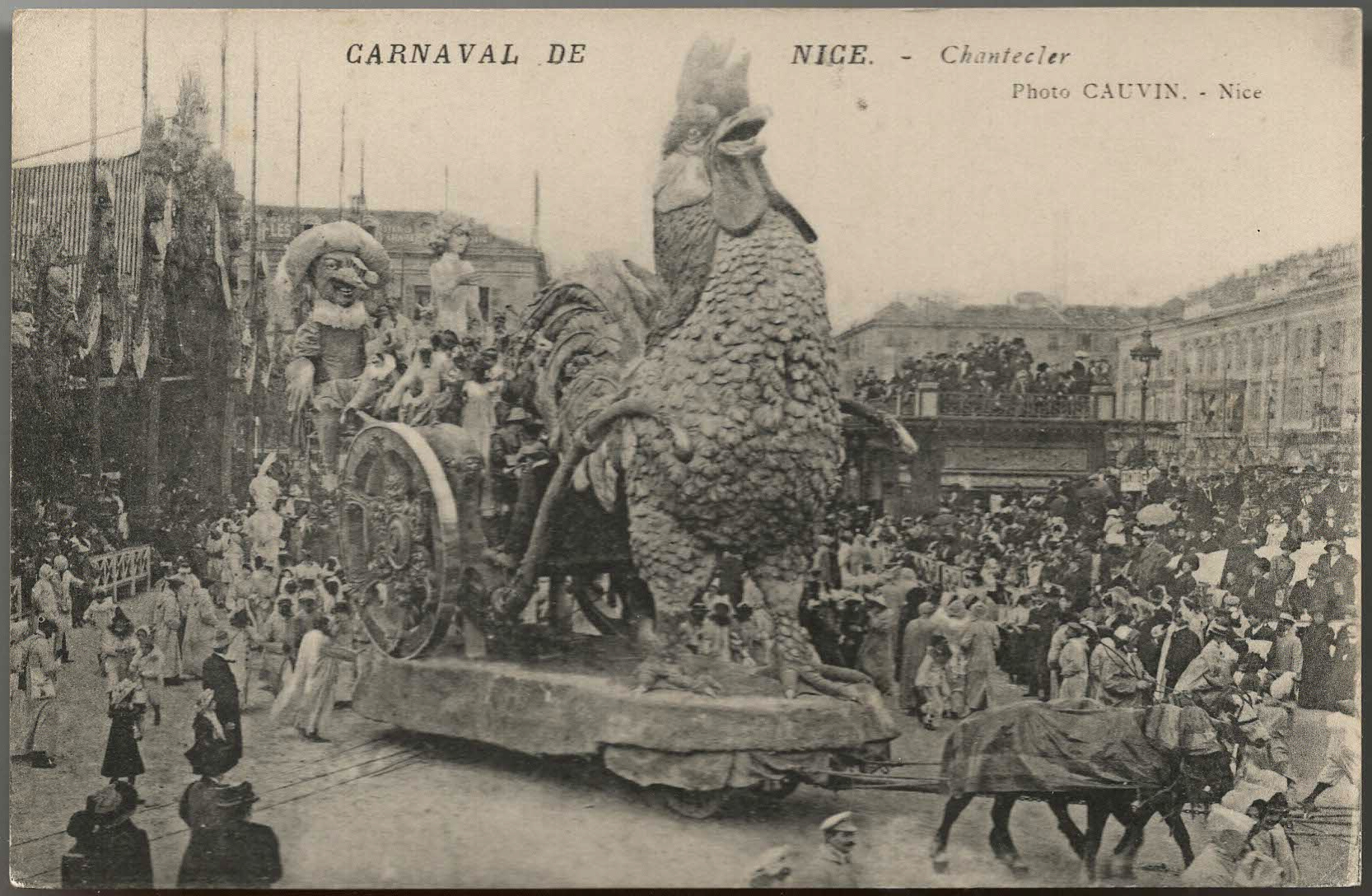
Postcard: Chicken float at Carnaval de Nice
Tuesday, October 12, 2021
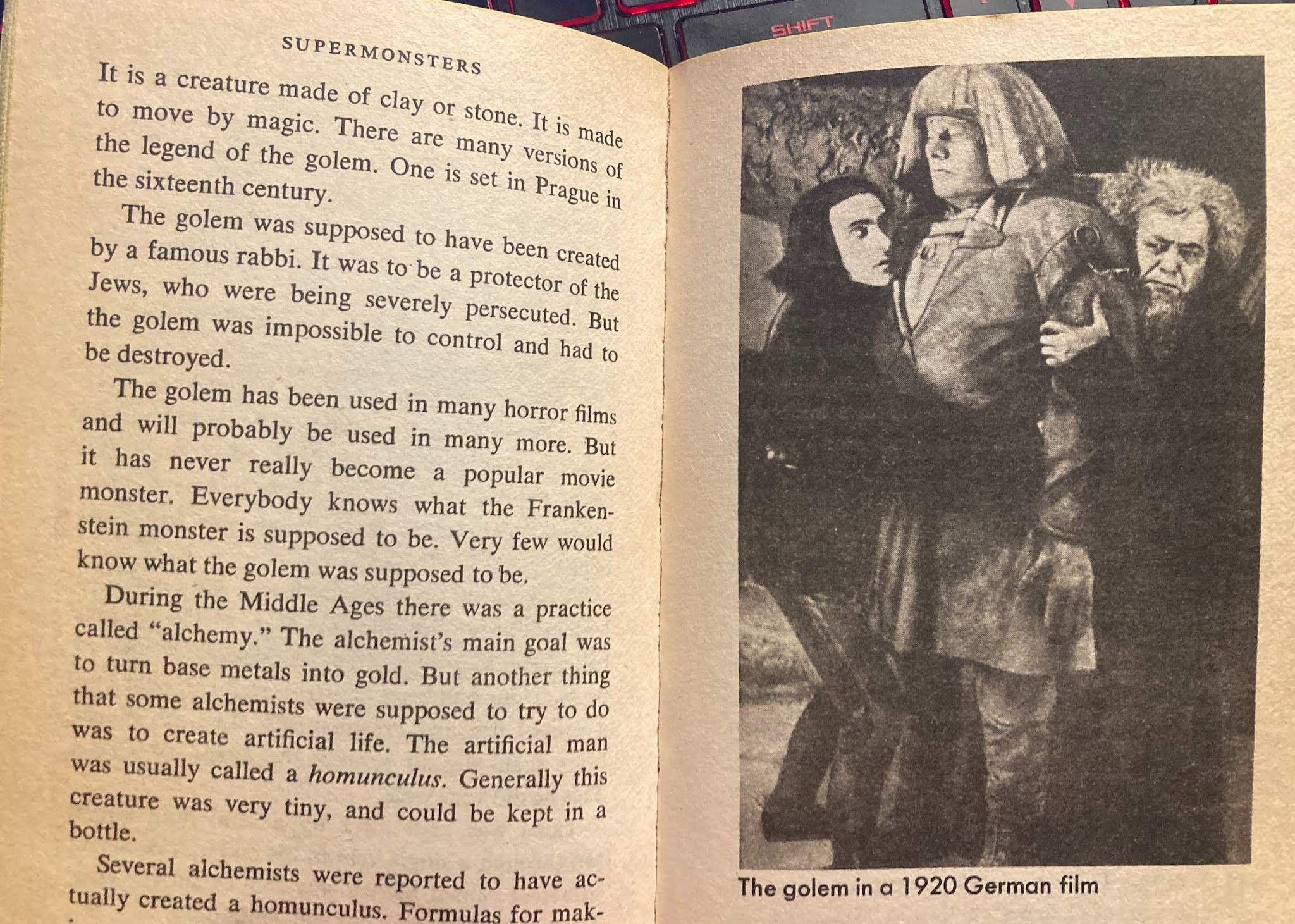
1977's "Supermonsters" and 1920's "Der Golem"
The book's cover is memorable but perhaps slightly misleading, as it features the fearsome fiend from the 1957 British horror film Night of the Demon (also known as Curse of the Demon).
Supermonsters covers monsters in movies and popular culture; Dracula, werewolves, mummies and zombies are all discussed. But much of its focus is on the historical origins of those creatures and the strange beliefs associated with them — beliefs that were then twisted and/or co-opted by books and films.
This book was my young self's introduction to the centuries-old tales of Europeans who had (trigger warming: not for the squeamish) little understanding of the science of plagues or how corpses decomposed. And so when they dug up the latter to try to solve the mystery of the former, they came to some very wrong conclusions. Beliefs in vampirism were thus strengthened and propagated across the land.
Supermonsters similarly delves into the myths and misunderstandings that informed modern ideas about other ghoulies. For example, there is the story of Peter Stubb. That's his name in the book, anyway; other historical accounts list him as Peter Stumpp, Peter Stübbe, Peter Stumpf, etc. As Cohen explains:
"Stubb was executed as a werewolf near Cologne, Germany, in 1589. ... Stubb said that the Devil had given him a magic belt made of wolfskin. When he put the belt on, he was changed into a wolf. ... Putting on a wolfskin belt was not the only way of turning into a wolf. One man confessed that he became a werewolf after eating wolf meat. Another said that he drank water that he had collected in the footprint of a large wolf. There was also a magic wolf ointment."
All of this eventually led to the tale of Lawrence Talbot on the silver screen. And that movie version took its own liberties with werewolf legends, adding some of its own out of the imagination of the filmmakers.
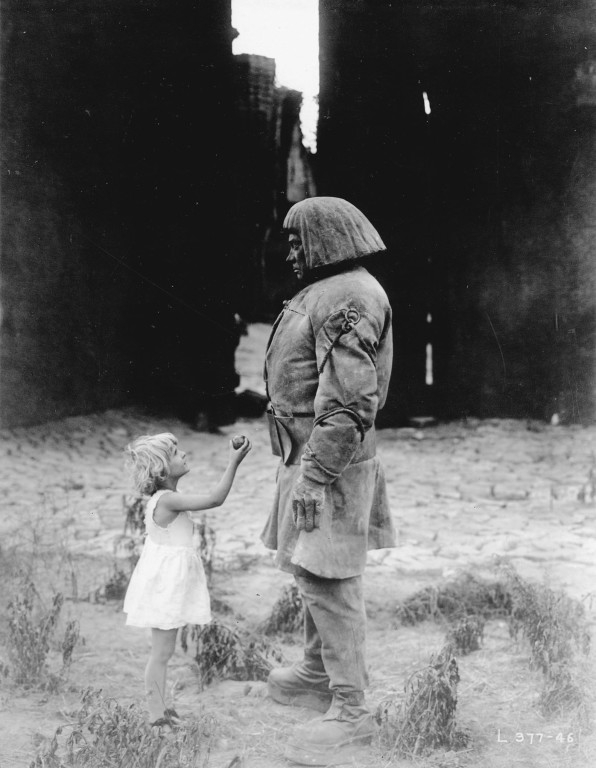
Supermonsters also introduced me to some lesser known (by today's standards, anyway) monsters in popular culture. It's where I learned of Nosferatu; Varney the Vampire; Wagner, the Wehr-Wolf; Lon Chaney as the silent and nightmare-inducing The Phantom of the Opera ... and a film that I finally, all these decades later, got around to watching this week: 1920's Der Golem.
If you've never seen Der Golem, I highly recommend it. Personally, I think it's even better than the excellent The Cabinet of Dr. Caligari, which was released that same year. There's an outstanding Blu-ray restoration of Der Golem available from Kino Lorber. I think you'll see, too, how much it inspired some more well-known horror films that came after. For example, I'll leave you with this image from Der Golem...Monday, October 11, 2021
1976 comic book advertisement for "Evil Show Rods"
Monogram's new "Evil Show Rods" ... four sinister-lookingfour-wheeled creatures to build and enjoySinister? Yes. But, what fun you'll have building and displaying these 1/24th scale plastic model kits designed exclusively for Monogram by Tom Daniel. Which one do you think is the most "evil"? Pick your favorite ... or better yet, build them all for the "evilest" kit collection in the neighborhood. Available wherever model kits are sold.
- Hangman: A fiendish custom tow truck loaded with goulish [sic] features right down to the realistic noose dangling from the towing boom.1
- Sandshark: One of the most menacing machines you've ever laid eyes on. A custom show rod with "shark" decals, fins, and custom features you'll really go for.
- Rattler: The fork-tongued custom show rod that's sleek as a snake. With a deadly Pontiac mill and custom goodies to really rattle your cage.
- Stinger: Deadly as a scorpion, this wild rear engine rail dragster puts the sting on its competition. One of the most unconventional dragsters to ever hit the asphalt.
Sunday, October 10, 2021
Skottie Young's tribute to Edward Gorey
Saturday, October 9, 2021
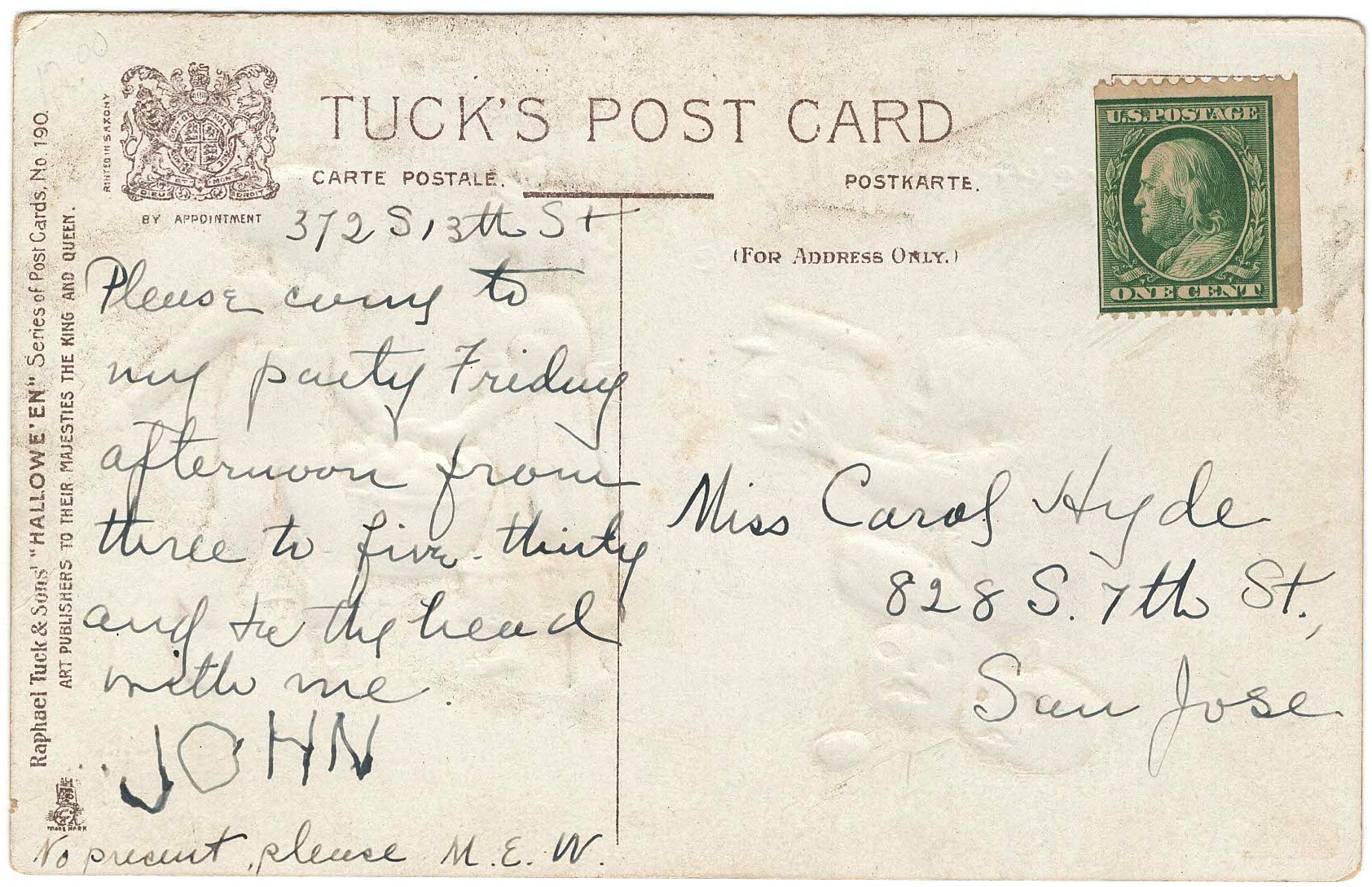
Halloween postcard: "be the head with me"
Please come to my party Friday afternoon from three to five-thirty and be the head with me.JOHNNo present, please M.E.W.
Friday, October 8, 2021
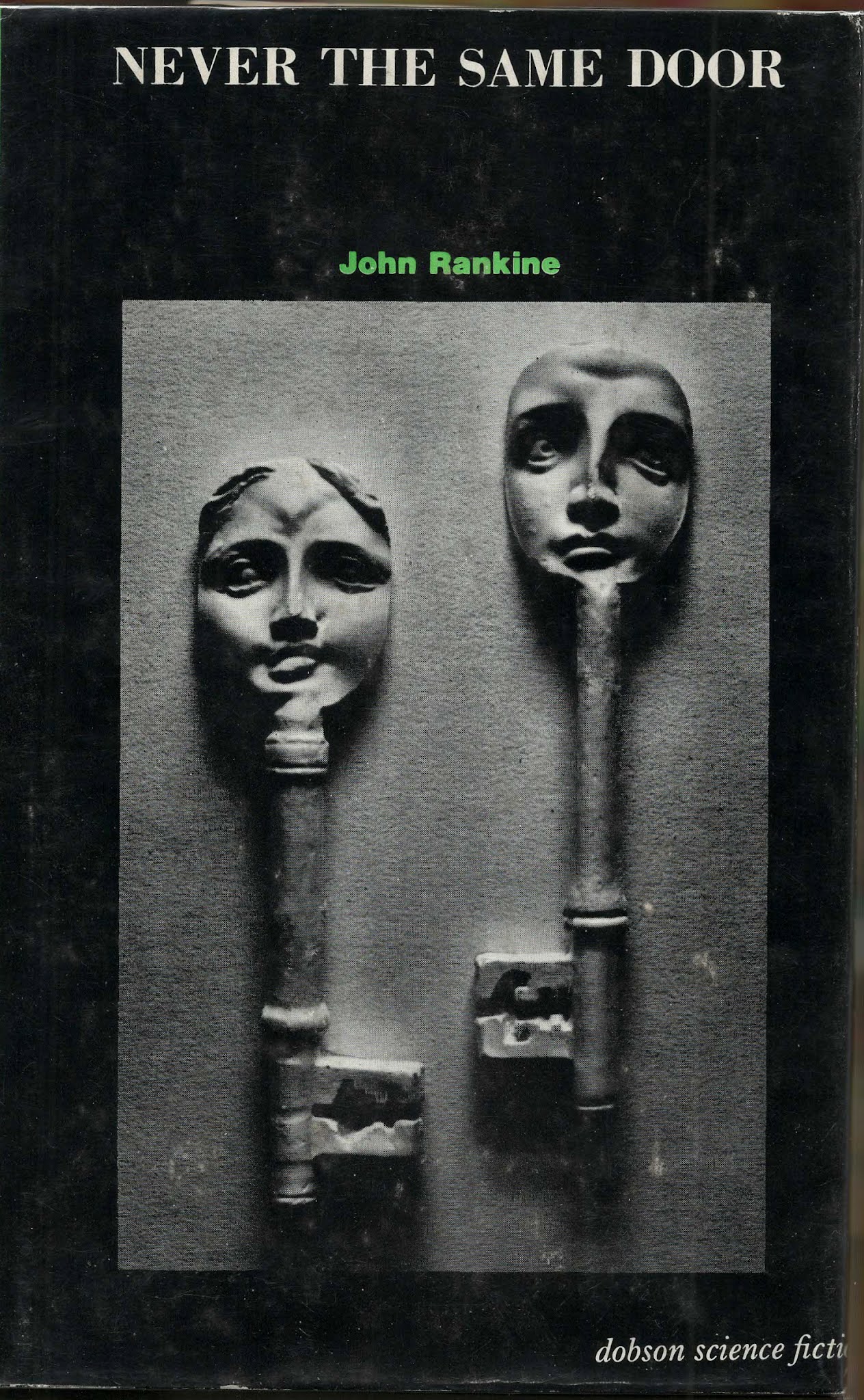
Book cover with creepy keys:
"Never the Same Door"
- Title: Never the Same Door
- Author: John Rankine (1918-2013, a native of Wales)
- Designer of creepy cover: Richard Weaver
- About Richard Weaver: The Encyclopedia of Science Fiction states: "Almost nothing is known about this artist, who created numerous covers of sf books for the British publisher Dennis Dobson from 1965 to 1980 and apparently did no other genre work. His covers sometimes seem minimalist, products more of graphic design (such as collaged clip-art) than of studio art, though others are more conventionally pictorial."
- So, where did Weaver get those keys? We'll never know.
- Are they real keys, or is this some kind of photo manipulation? We'll never know.
- Whose faces are those? We'll never know.
- What if I search Google for skeleton keys with human faces? Very little that's relevant turns up. And, frankly, you should be glad about that.
- Publisher: Dennis Dobson/Dobson Books/Dobson Science Fiction
- About Dennis Dobson: Wikipedia has this curious tidbit: "Dobson died in 1978 aged 59, after suffering a brain haemorrhage on the train returning from the Frankfurt Book Fair. After his death the publishing company was wound down and his widow bought and restored Brancepeth Castle [in England]."
- Wait. She bought a castle? Yes, and the Dobson family still owns it. And it gets better. Wikipedia adds that the widowed Margaret Dobson bought the castle specifically to store the stock of books from her late husband's publishing company. She restored the castle over many years and hosted craft fairs and Shakespearean performances there. But, to be clear, she first bought the castle in order to store books in it. That's a pantheon-level achievement right there. Also, consider this: If those skeleton keys with human faces exist, they might just be in that 12th century castle, which by the way is open to the public on certain days of the year.
- Ok, phew. Let's get back to the book: OK.
- Publication year: 1967
- Pages: 173
- Format: Hardcover
- Price: 18s
- Dust jacket excerpt: A man does not step into the same river twice. He never goes through the same door. To Kurt Yardley, this is amply borne out by the train of circumstance which follows the forced landing of his freighter Charib on the bleakly inhospitable plains of an unlisted planet.
- First sentence: Commander Kurt Yardley of the freighter M.M. Charib cleared an ivorine tablet and began again.
- Last sentence: 'Check.'
- Random sentence from the middle: 'O.K. Let them get well down into the valley and given them a high-power raspberry.'
- Rating on Amazon: 5 stars out of 5, but with just one reviewer as of this date.
- Rating on Goodreads: 3 stars out of 5, but with just one reviewer as of this date.
- Does anyone have anything to say about this book? Apparently not. There are plenty of blogs that review piles of science-fiction books from the 20th century, but it doesn't seem that this one has made it onto anyone's "to do" list. If you're reading this and have thoughts on Never the Same Door, send them my way and I'll post them.
- But what about those keys? We'll never know.