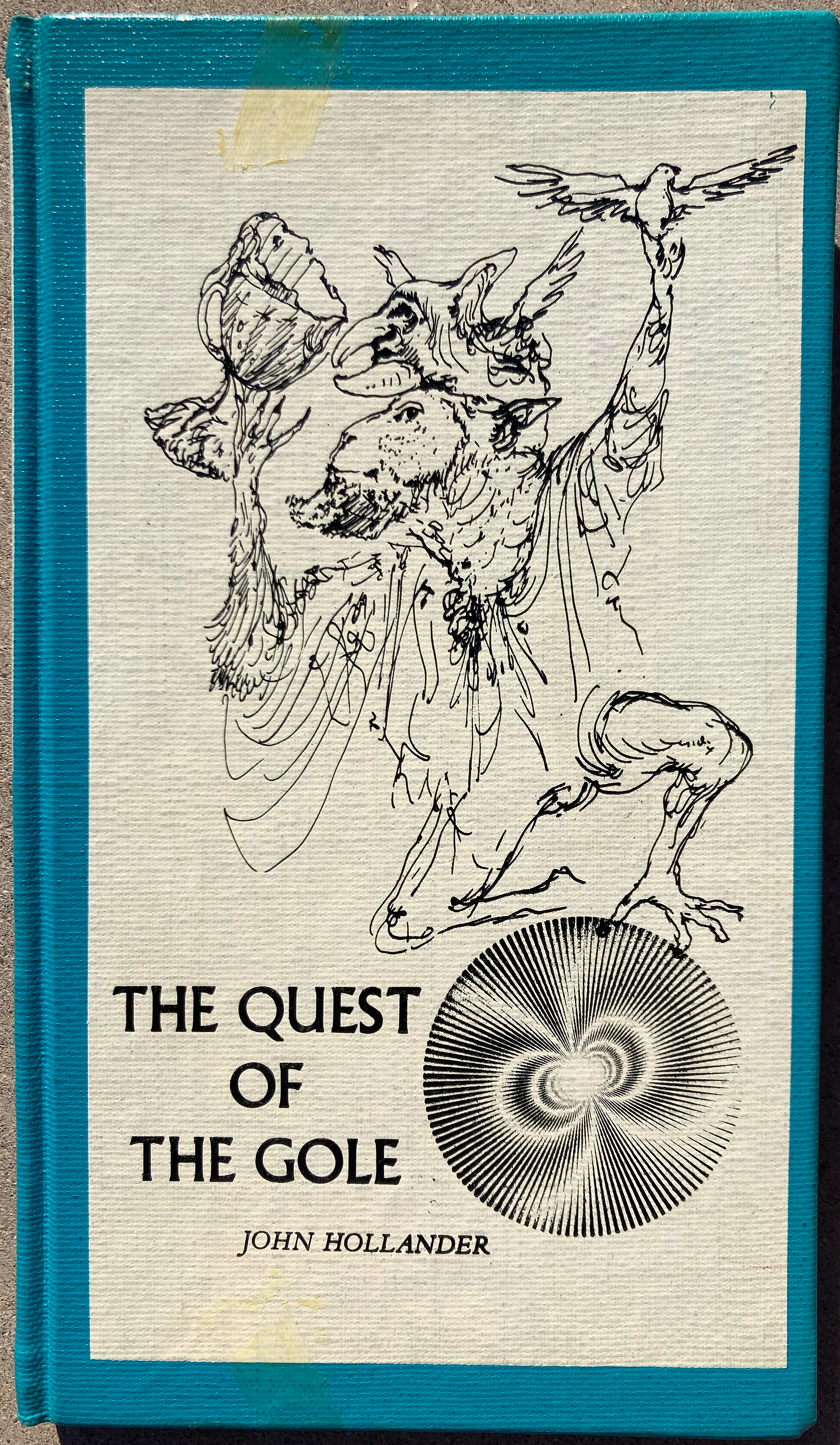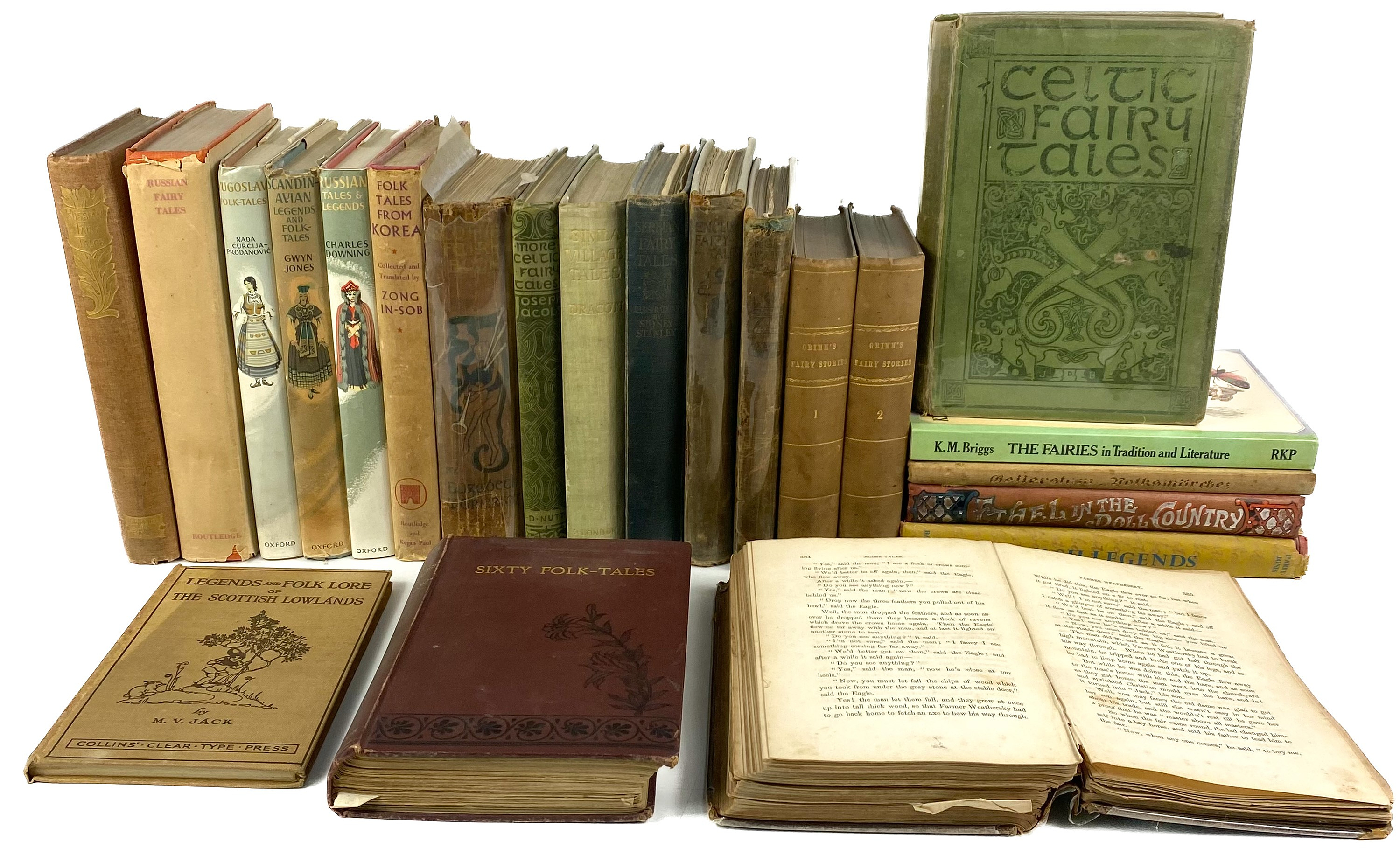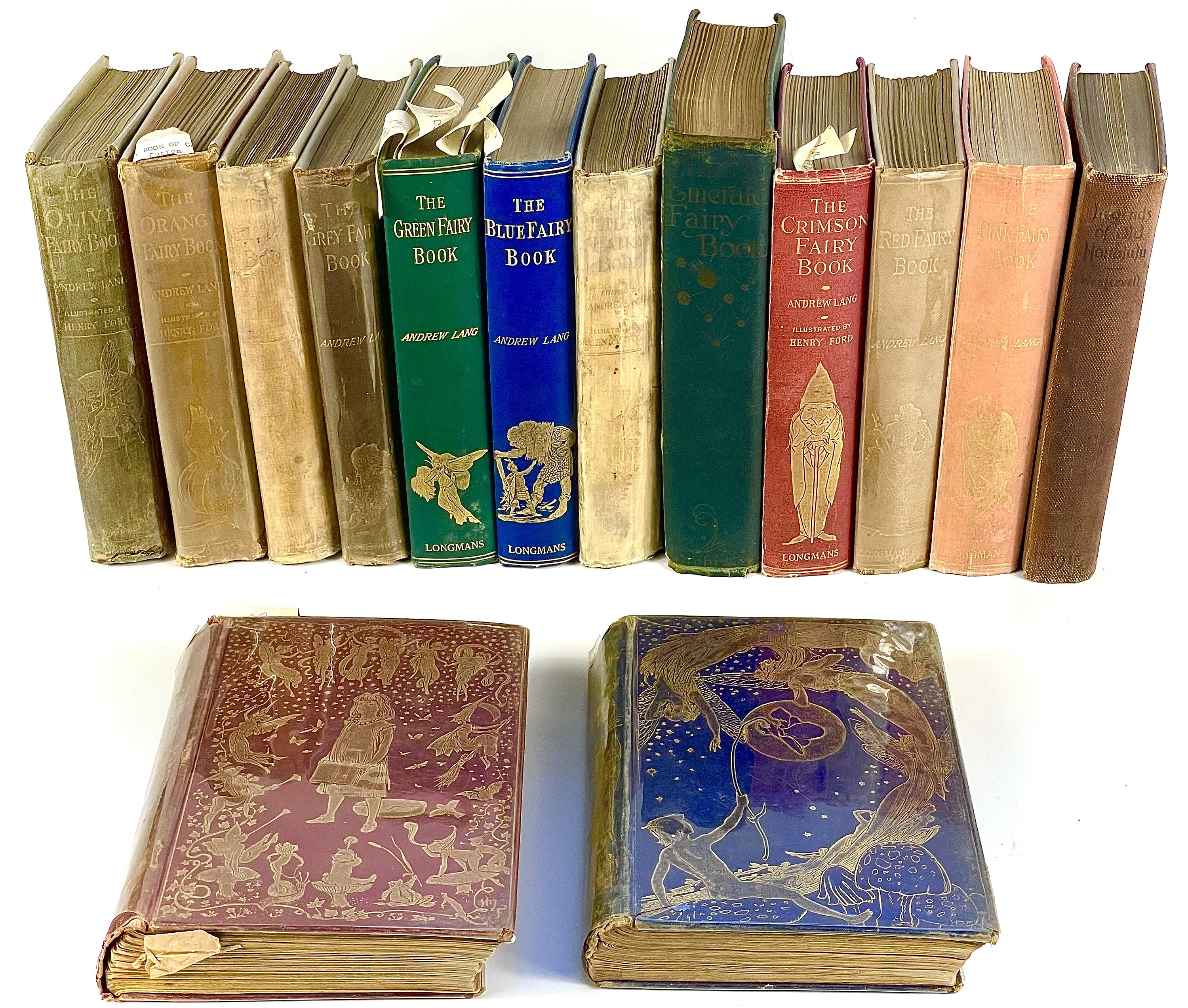
For fun, I gathered some "Questions for book lovers" from various websites and thought I'd just give it a whirl at answering some of them.
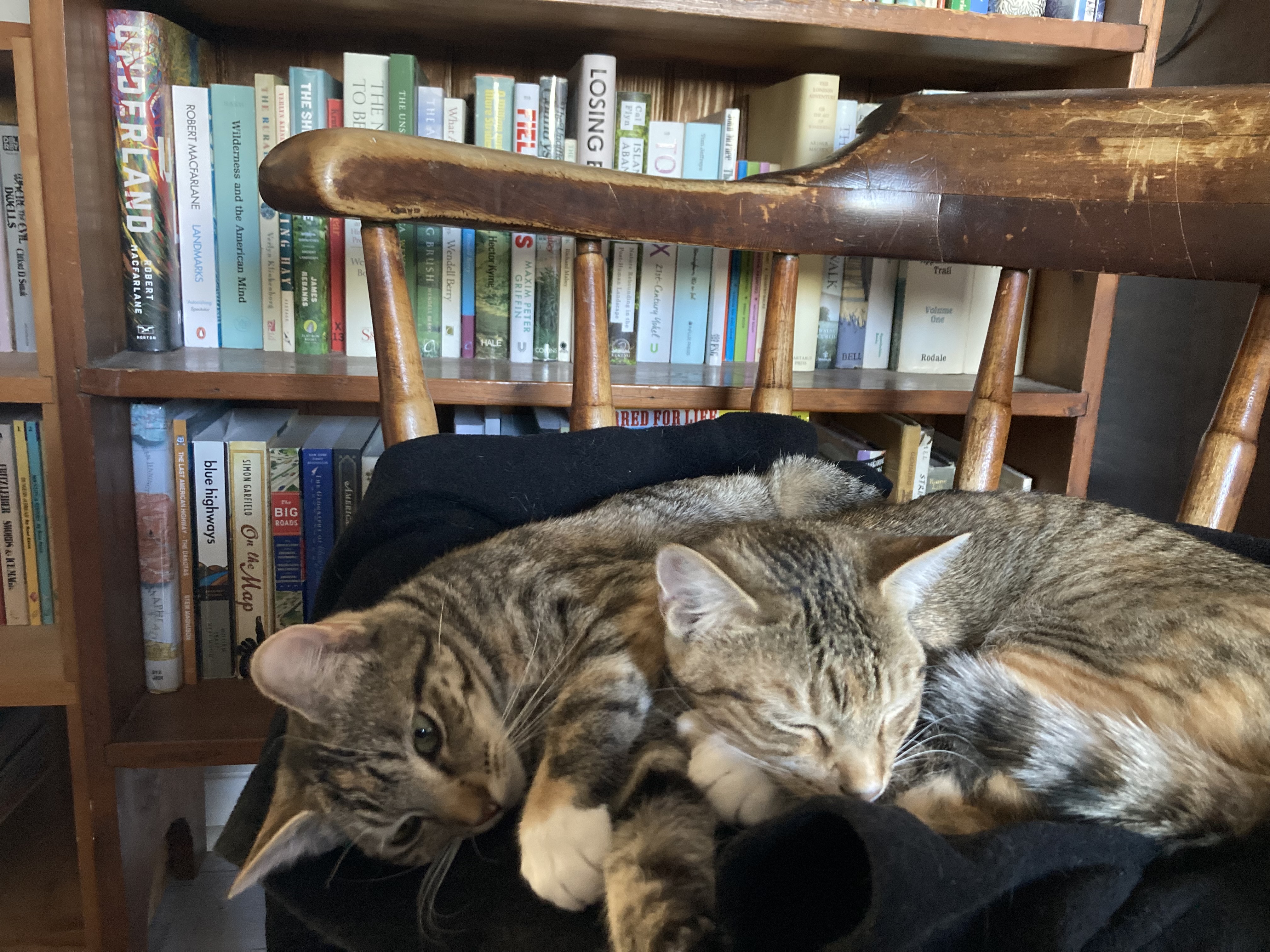
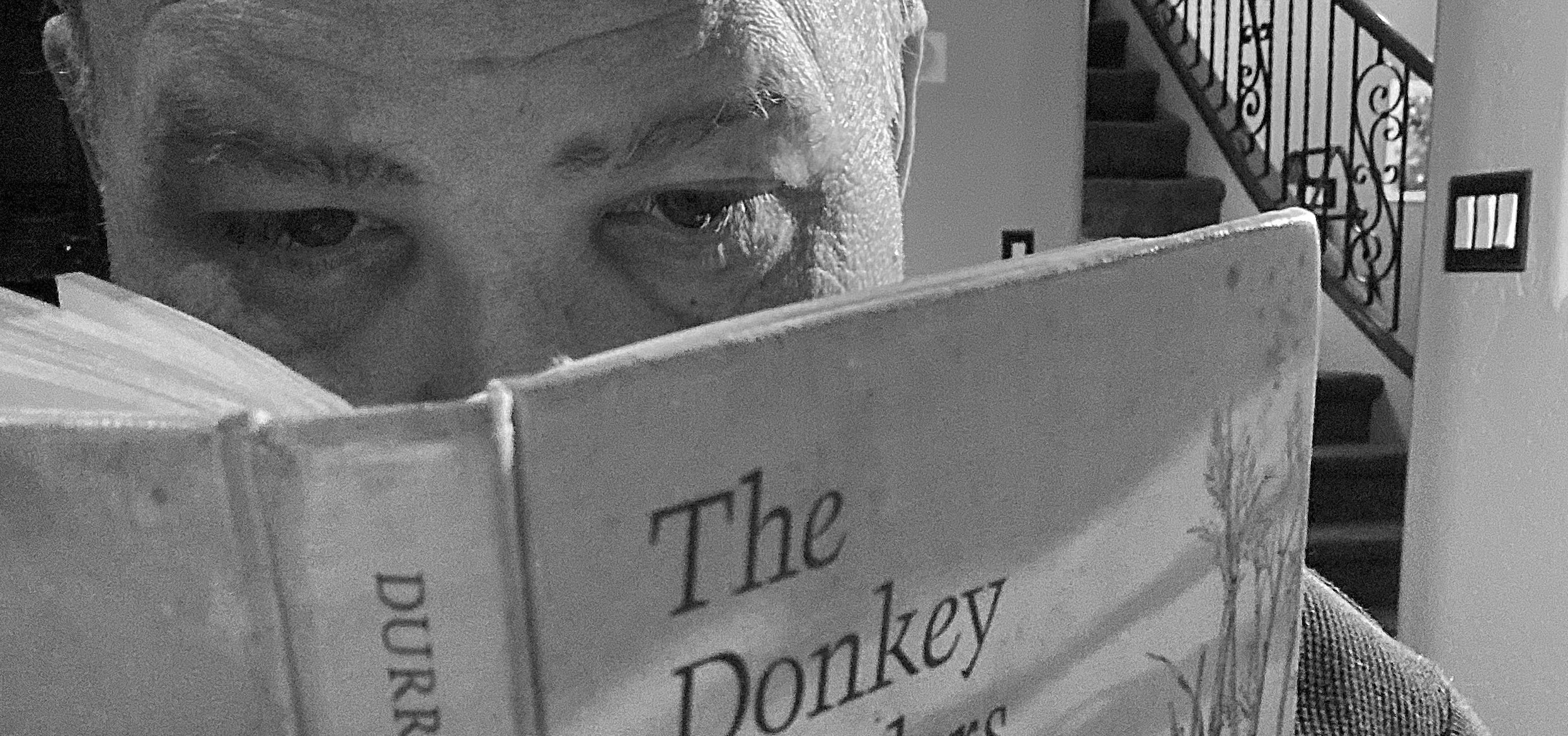
1. What book are you reading right now? The photo above is staged. The actual answer is Maude Adams: Idol of American Theater, 1872-1953, by Armond Fields. I wrote about it on January 31 and am near the end now.
2. What’s your next read going to be? I have no idea. Choosing the next book is so hard. I often end up staring at the shelves for a long time. Usually, it comes on a whim; whatever genre I'm in the mood for at a particular moment. So we'll just have to see...
3. What’s your favorite childhood book? Longtime followers of this blog know that's an easy one. It would be a Ruth Manning-Sanders book. I'll go with A Book of Wizards, because that's the one that stuck in my memory enough from the early 1980s so that I could track down a used copy in the early 2000s. There were plenty of other favorites from throughout childhood, too, including Dr. Seuss, Beverly Cleary's books (especially the Ramona series), The Three Investigators and the Mrs. Piggle-Wiggle books by Betty MacDonald (which I've yet to really write about).
4. Can you remember what your parents used to read you before bedtime? I'm sure it happened, but I don't have any specific memories from that far back. If Mom were still alive, I'm sure she could answer this question.
5. How many different books do you manage to read at once? I typically have one primary book that I'm reading, and then three or four other books beside my bed that I might pick up depending on my mood and/or if I only have a few minutes to read. One of them is always a browsing book, while there's also usually a collection of ghost stories in the pile.
6. Can you name a book that kept you up at night? When I was a teenager, I could read late into the night, perhaps plowing through a hundred or more pages. Most often, those were Stephen King books. Now, it doesn't matter how great or compelling the book is. If I read for 15 minutes before dozing off, it's an amazing accomplishment.
7. What is the saddest book you read? Most of the literary fiction I read these days is sad and/or downbeat. Two that come to mind from recent years are Signs Preceding the End of the World by Yuri Herrera and Like a Mule Bringing Ice Cream to the Sun by Sarah Ladipo Manyika.
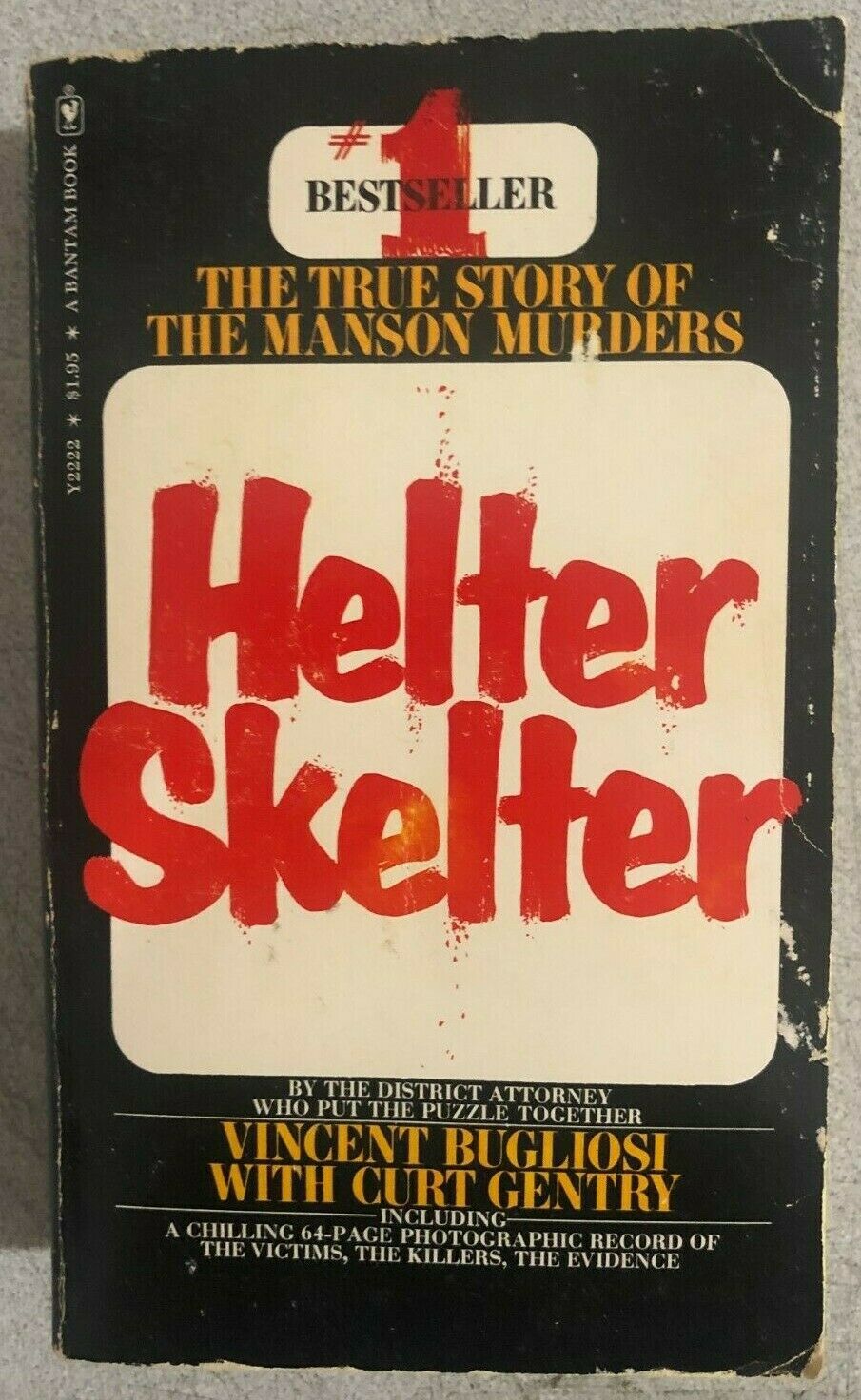
8. Which horror book did you find the scariest? I think the younger you are, the scarier the scary books are. I enjoy ghost stories and horror novels now; I find them entertaining and a nice form of escapism, because it's the real world that turned out to be scary. I'm sure I'm forgetting some that traumatized me as a kid, but a few that stick out are The Amityville Horror by Jay Anson (yes, it's a novel), the "ghost hunter" books by Hans Holzer and Susy Smith and, from Stephen King, probably It and Misery. And, when it came to Generation X getting an early education that the real world was far more terrifying than anything horror writers could muster, there was nothing scarier than the Helter Skelter paperback, with its blood-red lettering on the cover.
9. Do you prefer e-books or physical books? Physical books! I've still never read an e-book.
10. Do you enjoy audiobooks? They're fine, but I rarely find myself in a situation where listening to them is something I want to do. I've occasionally listened to them on long drives. I know some folks who listen to audiobooks while multi-tasking or doing chores. I don't want to do that. If I'm interested enough in a book, I'll read it. And if I'm listening to an audiobook, I need to give it my full attention. If I'm going to listen to something, I'd rather listen to a podcast, as there are so many good ones out there.
11. Do you read out loud? I sometimes read out loud for my job with the newspaper. When I'm editing copy or going over something that I wrote, reading aloud can help me make sure I didn't miss anything and that it reads smoothly.
12. What are your favorite and least favorite genres? I have many favorite genres! I will read almost any topic when it comes to nonfiction, because I always want to learn something new: history, science, health, computers and technology, sociology, anthropology, architecture, civil rights, weather, film history, books about books, nature, hiking, farming, transportation, food, mythology, gaming — and the list goes on. I also enjoy most kinds of fiction, but will admit that westerns and romances aren't my cup of tea. I've never read much poetry, but I'm trying to make a concerted effort to mix a little of that in.
13. Do you ever annotate books? Occasionally. I've found myself doing this with some books that would fall under the rubric of sociology or personal essays. Two authors, of many, who give me a lot to think about are Rebecca Solnit and Ta-Nehisi Coates. I fill those with highlighting and marginalia.
14. Do you write reviews about the books you read? I generally find myself more interested in reading reviews and analysis by others. I like to seek out perspectives I might have missed, praises and criticisms after finishing a book. I am more likely to review a book if not much else has been written about it. I figure that's when I can best contribute to the vast ocean of knowledge on the internet. For example, I posted my thoughts on Ruth Manning-Sanders' 1938 children's novel Adventure May Be Anywhere on Goodreads.
15. Did you ever buy a book you had already read? Only with a select few books, if I like the design or cover of another edition. I have a few different duplicate books by J.R.R. Tolkien, because the covers are so gorgeous. And I am strangely drawn to the various covers for William Hope Hodgson's The House on the Borderland.
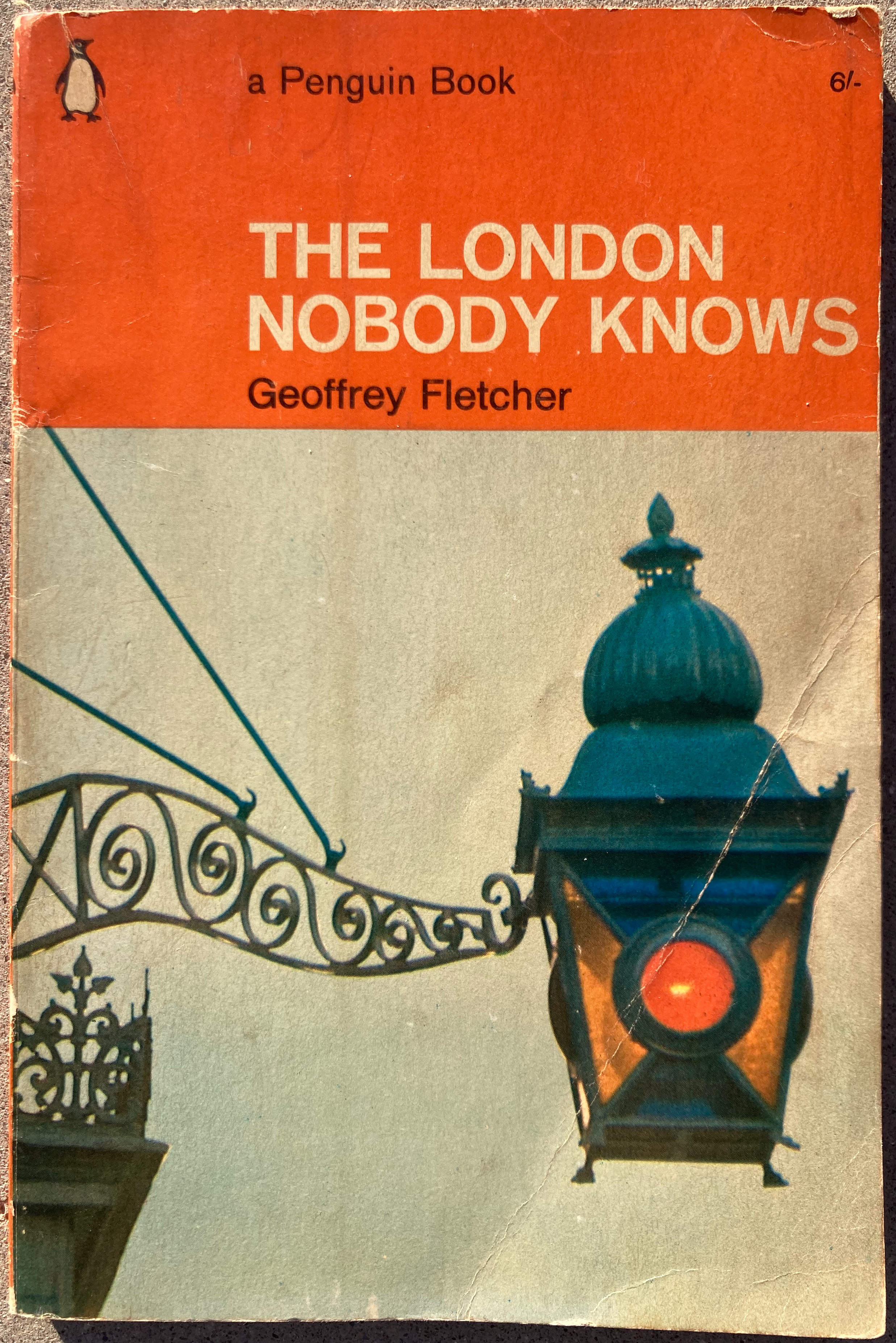
16. Do you want to visit a city or place just because you read about it in a book you loved? Does Hay-on-Wye count for this question? I'd love to go there. I like reading books about bookstores and their history, and I'd love to visit some of the iconic bookstores in the U.S., which is probably more feasible than hopping the Pond to get to Hay-on-Wye.
17. Have you ever met a writer in real life? I have many, many friends, colleagues and classmates who have written and published books. An incomplete list includes: Larry Alexander, Buffy Andrews, Ted Anthony, Mike Argento, Alisa Bowman, Joan Concilio, Dan Connolly, Bridget Doherty, Kimi Eisele, Megan Erickson, Andrew Ervin, Leigh Gallagher, Mike Gross, Jessica Hartshorn, Dennis Hetzel, Tom Joyce, Bill Landauer, Lauri Lebo, Jim Lewin, Caroline Luzzatto, James McClure, Rissa Miller, Isabel Molina-Guzman, Kevin Naff, Dana O'Neil, Gregory Scopino, Leslie Gray Streeter, Beth Vrabel, Michael Weinreb and Laura Wexler. Go check out their works and discover something new to read!